If you have put the wrong fuel in your vehicle, you are not alone. What matters most is what you do next.
This what to do if you have put the wrong fuel in:
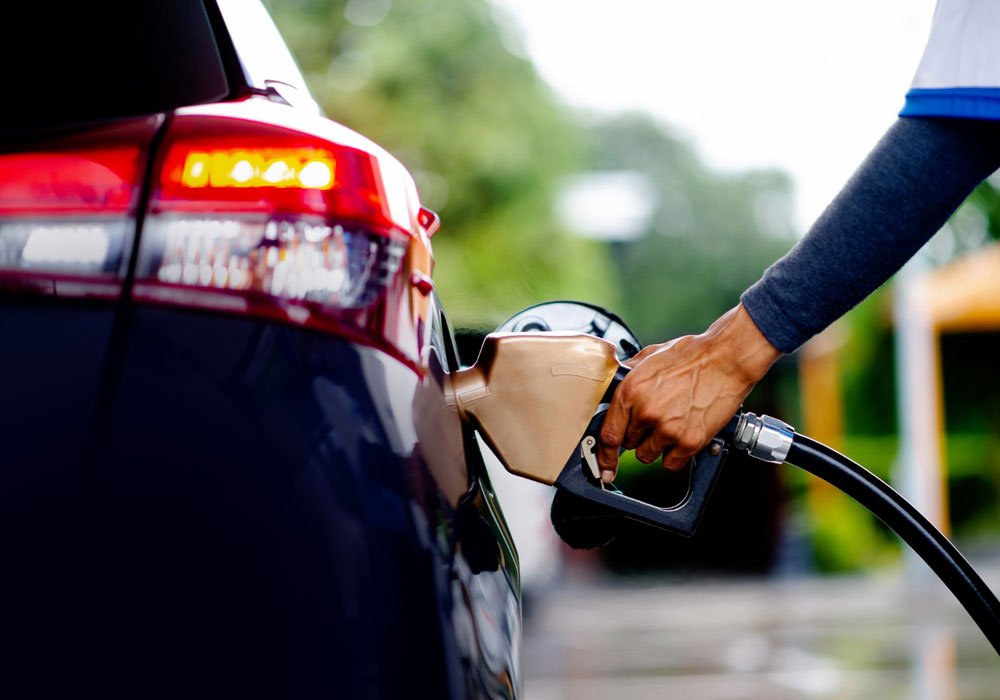
If you have put the wrong fuel in your vehicle, you are not alone. What matters most is what you do next.
This what to do if you have put the wrong fuel in:
Putting petrol into a diesel tank causes more damage than diesel in a petrol car. Plus, petrol nozzles can easily fit into most modern diesel filter necks. It makes it far easier to accidentally put petrol into a diesel tank than vice versa.
Petrol damages diesel engines because: Diesel acts as a lubricant, helping the fuel pump to do its job. Petrol does the opposite - it increases friction between parts in the diesel engine. The friction is not good news for your diesel engine. The more petrol that is pumped through the diesel engine, the more damage it'll do. That is why it is so important not to start the car.
Common rail (or HDi) diesel engines are particularly likely to be damaged by the wrong fuel. If there is a lot of damage, it could mean new fuel pumps, injectors, pipes, filters, fuel tank – or even a whole new engine.
The diesel pump nozzle is bigger than most petrol filler necks, so it does not really fit. That makes it far less common to put the wrong fuel in a petrol car than putting petrol in a diesel car. Plus, it is not as bad for a petrol engine to have diesel in it so there's usually not as much damage.
Here is what happens when you put diesel in a petrol car: Petrol ignites by a spark from the spark plugs. Diesel in a petrol engine clogs up the spark plugs and fuel system. That means the car simply won’t start. It is a real pain. But it is not as bad as the damage that petrol can cause to a diesel engine. Your petrol engine should not have any permanent damage once the fuel's drained out.
If you have put the wrong fuel in your vehicle, you are not alone. What matters most is what you do next.
This what to do if you have put the wrong fuel in:
Putting petrol into a diesel tank causes more damage than diesel in a petrol car. Plus, petrol nozzles can easily fit into most modern diesel filter necks. It makes it far easier to accidentally put petrol into a diesel tank than vice versa.
Petrol damages diesel engines because: Diesel acts as a lubricant, helping the fuel pump to do its job. Petrol does the opposite - it increases friction between parts in the diesel engine. The friction is not good news for your diesel engine. The more petrol that is pumped through the diesel engine, the more damage it'll do. That is why it is so important not to start the car.
Common rail (or HDi) diesel engines are particularly likely to be damaged by the wrong fuel. If there is a lot of damage, it could mean new fuel pumps, injectors, pipes, filters, fuel tank – or even a whole new engine.
The diesel pump nozzle is bigger than most petrol filler necks, so it does not really fit. That makes it far less common to put the wrong fuel in a petrol car than putting petrol in a diesel car. Plus, it is not as bad for a petrol engine to have diesel in it so there's usually not as much damage.
Here is what happens when you put diesel in a petrol car: Petrol ignites by a spark from the spark plugs. Diesel in a petrol engine clogs up the spark plugs and fuel system. That means the car simply won’t start. It is a real pain. But it is not as bad as the damage that petrol can cause to a diesel engine. Your petrol engine should not have any permanent damage once the fuel's drained out.
Put the wrong fuel in? Don't panic. We'll drain and flush your system quickly to prevent lasting damage to your engine.
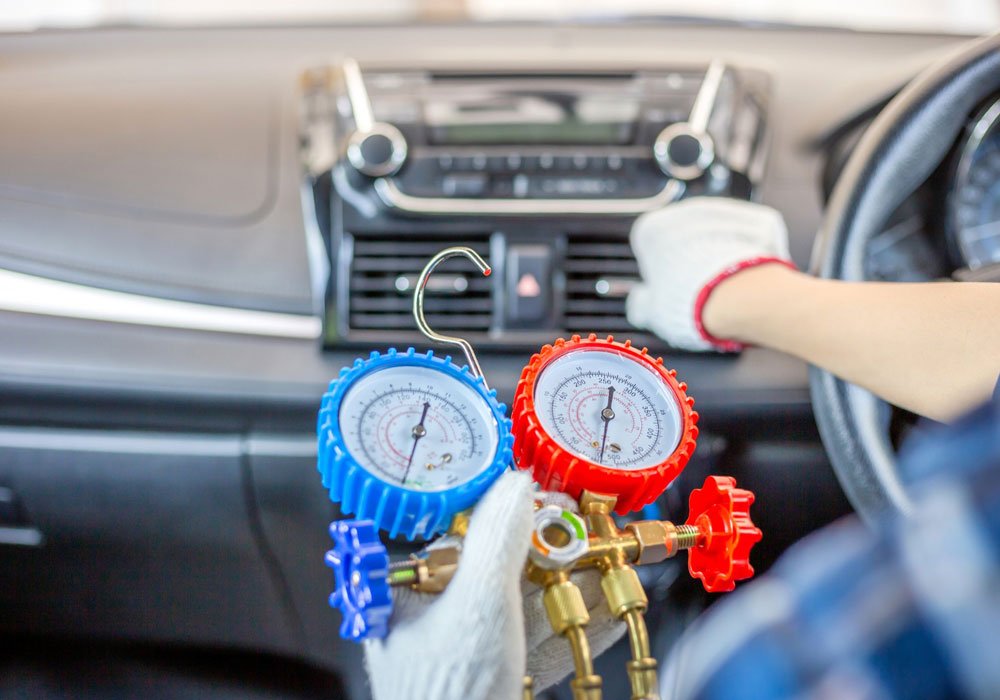
We service, recharge, and repair your air conditioning system so you stay comfortable no matter what the weather throws at you.
Call us or use the form above - We'll get you booked in fast.
This website uses cookies
We use cookies to personalise content and ads, to provide social media features and to analyse our traffic. We also share information about your use of our site with our social media, advertising and analytics partners who may combine it with other information that you’ve provided to them or that they’ve collected from your use of their services.
Cookies are small text files that can be used by websites to make a user's experience more efficient.
The law states that we can store cookies on your device if they are strictly necessary for the operation of this site. For all other types of cookies we need your permission. This means that cookies which are categorized as necessary, are processed based on GDPR Art. 6 (1) (f). All other cookies, meaning those from the categories preferences and marketing, are processed based on GDPR Art. 6 (1) (a) GDPR.
This site uses different types of cookies. Some cookies are placed by third party services that appear on our pages.
You can at any time change or withdraw your consent from the Cookie Declaration on our website.
Learn more about who we are, how you can contact us and how we process personal data in our Privacy Policy.
Please state your consent ID and date when you contact us regarding your consent.