Repairs & Replacements

Wet Belts

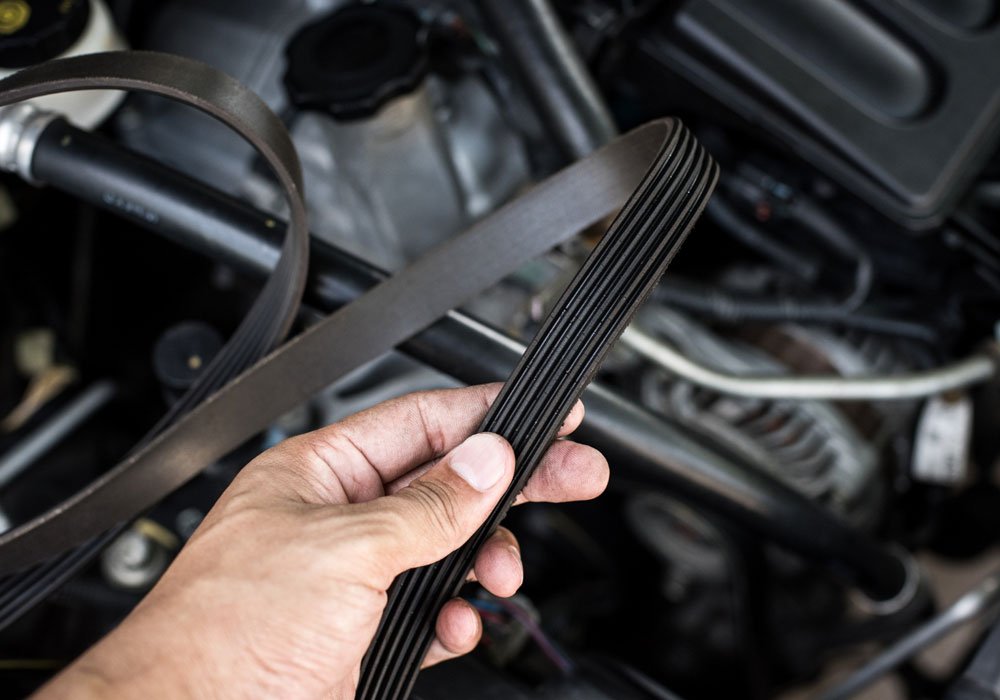
A wet belt (also called an oil-bathed timing belt) runs inside your engine submerged in oil, rather than dry like a traditional cam belt. They're found in many modern engines and require specialist knowledge to inspect and replace correctly. Left too long, a worn wet belt can cause serious, and costly, engine damage.
What's Involved

What's included in your Wet Belt replacement

Replacing a wet belt is more involved than a standard cam belt job. Here's what we cover:
  • Wet belt removal & replacement
  • Oil seal inspection & replacement
  • Tensioner & guide inspection
  • Fresh engine oil & filter
  • Belt cover resealing
  • Post-replacement engine check
Common Questions

Wet Belts FAQ

How do I know if my wet belt needs replacing?
Most manufacturers recommend replacement every 5–7 years or 80,000–100,000 miles, whichever comes first. Check your vehicle handbook or ask us if you're unsure.
Does a wet belt replacement include an oil change?
Yes. Because the wet belt runs in oil, fresh engine oil and a new filter are always fitted as part of the job. There's no point fitting a new belt into contaminated oil.
How is a wet belt different from a cam belt?
A traditional cam belt runs dry, outside the engine. A wet belt runs inside the engine submerged in oil, which can make it harder to inspect and more involved to replace. Not all garages have experience with them, but BS Services are wet belt specialists.
What happens if my wet belt snaps?
In most cases, catastrophic engine damage. Valves and pistons can collide, resulting in a repair bill that often exceeds the value of the car. Replacing the belt on schedule is far cheaper than the alternative.
Repairs & Replacements

Wet Belts

A wet belt (also called an oil-bathed timing belt) runs inside your engine submerged in oil, rather than dry like a traditional cam belt. They're found in many modern engines and require specialist knowledge to inspect and replace correctly. Left too long, a worn wet belt can cause serious — and costly — engine damage.
What we check

What's included in your MOT

The MOT covers over 60 checks across your vehicle's safety and emissions systems. Here are the main areas tested:
  • Wet belt removal & replacement
  • Oil seal inspection & replacement
  • Tensioner & guide inspection
  • Fresh engine oil & filter
  • Belt cover resealing
  • Post-replacement engine check
Common Questions

Wet Belts FAQ

When does my car need an MOT?
Cars over 3 years old require an annual MOT. The due date is shown on your V5C and on the DVSA website.
Can I drive my car to the MOT if it's expired?
You can drive to a pre-booked MOT appointment even with an expired certificate, provided the vehicle is not dangerous to drive.
How early can I book my MOT?
Up to one month before expiry — your new certificate will still run from the original expiry date, so you don't lose any time.
What happens if my car fails?
We'll give you a full itemised report. If you choose to have us carry out the repairs, we retest at a reduced fee — usually the same day.
You Might Also Need

Related Services
Broken down and stuck? Our fast, reliable recovery service gets you and your vehicle to safety, wherever you are.

From worn pads to failing discs, we inspect, repair, and replace brakes to make sure you can always stop safely.

A wet belt failure can cause serious engine damage in seconds. We inspect and replace yours before it ever becomes a problem.

Book This Service

    Ready to book your MOT?

    Call us or use the form above - We'll get you booked in fast.
    020 8054 8841